
|
Click here to Sponsor
BizPodcasting |
A discussion about corporate and business podcasting with tips and guidelines |
How Solar Installation Permits Work in New York
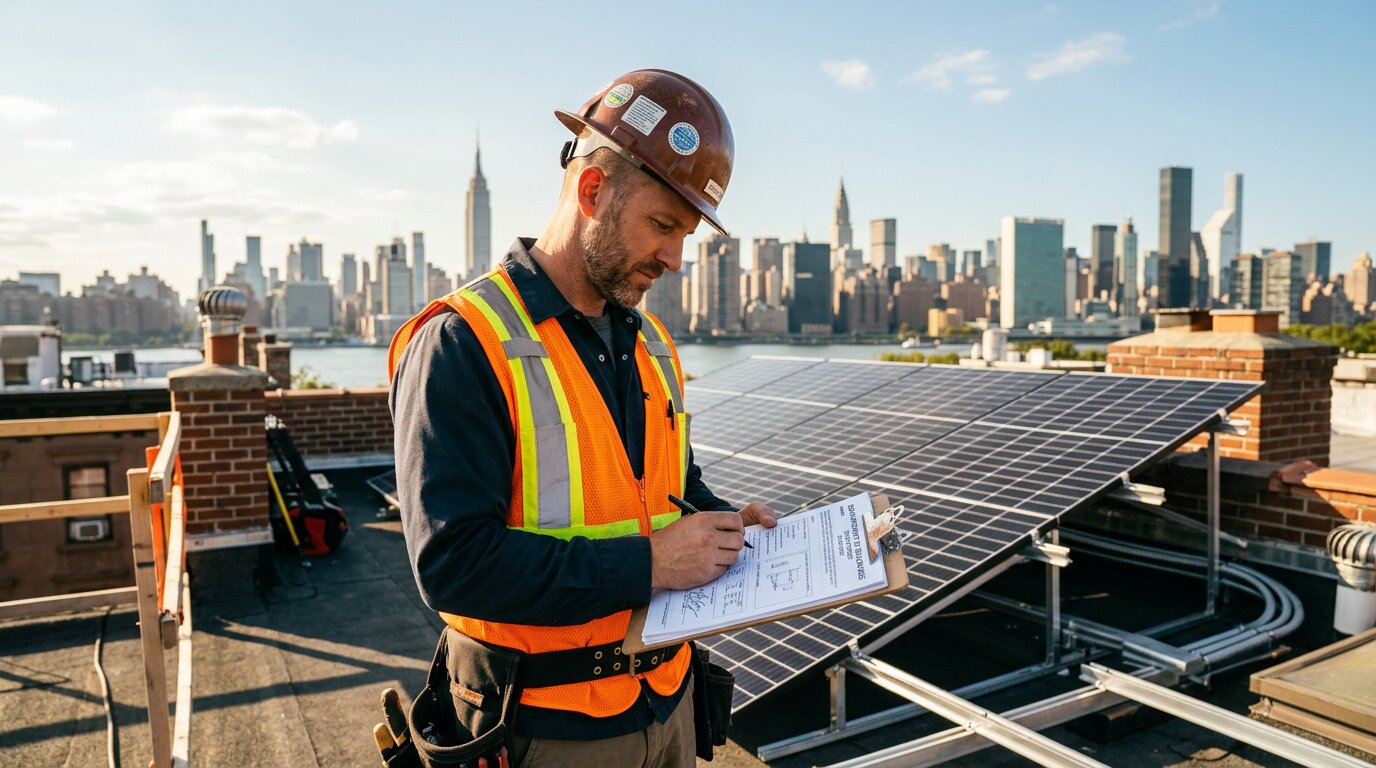
When you start looking into solar panels for your New York property, you'll quickly realize that installation involves more than just buying equipment. Permits are a critical step, each designed to meet safety, legal, and technical standards. Missing or misunderstanding these requirements can slow your project or add unexpected costs. If you're not familiar with the local process or rules, you might face frustrating setbacks—knowing what to expect upfront could make all the difference.
Understanding New York’s Solar Permitting Landscape
New York’s solar permitting process is structured to ensure compliance with safety and performance standards for solar installations. In both New York City and the greater New York State region, engaging a licensed contractor is crucial. These professionals help navigate the relevant codes, requirements, and design plans necessary for your solar system.
The New York City Department of Buildings requires both building and electrical permits prior to the installation of any solar panels. This approval process is integral to ensuring that installations meet established safety protocols.
Additionally, Con Edison conducts a review of your electricity usage, which is necessary for safe net metering and system interconnection.
The costs and timelines associated with obtaining permits and undergoing assessments can vary significantly. It is important to note that the permitting process is designed to ensure compliance with fire safety and local codes, which ultimately protects both property and residents.
For residential installations, obtaining the necessary approvals entails varying costs, with a strong emphasis on the accuracy and completeness of the required documentation at each stage of the process.
Essential Permits Required for Residential Solar Installations
In New York, securing the necessary permits for a residential solar installation is a critical step in the approval process. The required permits include building and electrical approvals from the Department of Buildings, which are essential to ensure compliance with structural safety standards and electrical code requirements.
The permitting process encompasses various aspects, including fire safety, panel installation, and adherence to electricity codes.
Additionally, homeowners must submit a plan for utility interconnection through Con Edison to obtain net metering approval.
It is important to note that the costs and approval timelines for these permits can vary significantly, thus it is advisable to factor in sufficient time for the entire process.
Final inspections will be conducted to verify compliance with all applicable regulations prior to the use of the solar system. For further information regarding specific requirements and processes, potential installers should reach out to the relevant authorities.
Licensing and Registration Requirements for Contractors
Installing a residential solar system in New York requires adherence to specific licensing and registration protocols for contractors involved in the project.
Primarily, it is essential to engage a NYC-licensed Master Electrician, as this professional is responsible for obtaining the necessary electrical permits that ensure safe installation of solar panel systems and compliance with applicable electrical codes.
In addition to electrical work, a licensed General Contractor should be retained to manage construction tasks associated with the project. This contractor is responsible for maintaining structural integrity and ensuring compliance with building and electrical regulations.
For home improvement projects, it is imperative that contractors are registered with the Department of Consumer Affairs, as this registration is necessary to navigate the permitting process and access relevant planning systems.
Furthermore, it is crucial that the contractor meets all energy standards established for solar installations in New York City.
Compliance with these standards not only safeguards the efficiency and effectiveness of the solar system but also has implications for the homeowner's electric bill, potential net metering benefits, and eligibility for tax credits associated with renewable energy investments.
Thus, verifying that your contractor adheres to these guidelines is a critical step in the solar installation process.
Step-by-Step Guide to the Permitting Process
Navigating the solar permitting process in New York involves several critical steps that must be completed to ensure a compliant installation. For both homeowners and contractors, obtaining three primary approvals is essential: a building permit, an electrical permit, and a utility interconnection application.
The process begins with the design of a solar system that adheres to New York City codes and the requirements set forth by the Department of Buildings. It is important that the design is thorough and considers all relevant regulations. A licensed contractor is responsible for submitting comprehensive plans that detail the installation of solar panels and address fire safety measures.
In terms of electrical permits, it is necessary to align with electricity codes and standards ensuring construction safety. Compliance with these codes not only facilitates the approval process but also contributes to the overall safety and reliability of the solar installation.
Once these permits are successfully obtained, the next step involves coordinating net metering with Con Edison. This is a crucial element that allows for the effective integration of the solar system into the existing utility framework.
Each phase of this process is designed to uphold safety standards and regulatory compliance for residential solar installations in New York City. Understanding and following these steps can lead to a successful solar project that meets all legal and safety requirements.
Costs and Fees Associated with Solar Permits
Individuals contemplating a solar installation should familiarize themselves with the various fees associated with obtaining necessary permits. In New York City, the Department of Buildings mandates the acquisition of both building and electrical permits for the installation of solar panels. The costs for these permits typically fall within the following ranges: construction permits are generally priced between $50 and $300, while electrical permits are estimated at $25 to $150.
Additionally, inspections—which typically number two—can incur fees ranging from $50 to $100 each. Moreover, utility interconnection fees, particularly with providers like Con Edison, may add an additional $100 to $500 to the overall cost.
It is noteworthy that, despite these fees and the regulatory compliance measures aimed at ensuring fire safety and adherence to building codes, the total permitting costs typically represent only 1-3% of the overall system cost.
To navigate this process efficiently and ensure compliance with all regulations and requirements, it is advisable to engage licensed contractors and a qualified project manager. This approach can help mitigate potential issues and facilitate a smoother installation process.
Work Site Safety Regulations and Compliance
Ensuring a safe work site is critical in every solar installation project in New York, where both property owners and contractors are legally obligated to adhere to stringent safety regulations.
Compliance with the New York City construction codes and Department of Buildings requirements is essential, particularly when applying for a permit for solar panel installation.
Contractors are required to utilize approved fire extinguishers at designated locations on-site, while open flames and smoking are prohibited to minimize fire risks.
Licensed contractors are responsible for managing both building and electrical permits, ensuring that each element of the installation process aligns with established Solar Safety plans.
For residential installations, it is imperative to comply with Energy Codes, which are designed to protect the safety of the system, the workforce, and the property.
By adhering to these regulations, the likelihood of accidents and legal repercussions can be significantly reduced.
Tenant and Occupant Protection Plan Guidelines
As solar projects are implemented in occupied buildings, it is essential for contractors to establish a comprehensive Tenant and Occupant Protection Plan. This plan is crucial for ensuring the safety and well-being of residents during construction.
In New York City, adherence to these guidelines is mandated by the Department of Buildings, which requires such plans for achieving permit and code compliance for residential solar installations.
Licensed contractors must outline specific safety measures, including the installation of temporary fire-rated barriers, maintaining clear egress routes, and implementing dust containment strategies. These precautions are designed to protect occupants from potential hazards associated with construction activities.
Additionally, using barricades and appropriate signage, along with strict compliance to existing codes, is necessary to minimize risks.
Failure to adhere to these requirements may lead to delays in the permitting process, which can subsequently impact the timelines for electricity upgrades, the installation of solar panels, and the establishment of net metering arrangements.
Therefore, it is imperative that project managers ensure all necessary standards and regulations are met, thereby maintaining the safety and compliance of the solar energy system in New York.
Typical Timeline for Permit Approval in New York
The process of obtaining permit approval for solar installations in New York is systematic, yet the timeline can vary. For residential projects, contractors are required to submit both building and electrical permits to the Department of Buildings. This submission must comply with relevant codes, requirements, and safety standards pertinent to the design of the solar system.
Typically, the processing time for building permits ranges from 2 to 4 weeks, while electrical permits generally take 1 to 3 weeks to process in New York City and surrounding areas. After these initial permits are secured, system approval, which encompasses checks for electricity, fire safety, and net metering compliance, can take an additional 4 to 8 weeks.
It is essential for the project manager or licensed contractor to facilitate coordination with Con Edison during this period to ensure all requirements are met.
Additionally, expedited permitting options are available, though costs for these services may vary. It is advisable for stakeholders to consider safety and compliance as top priorities throughout the permitting process. Understanding these timelines can aid in project planning and management.
Common Challenges and Practical Solutions in Solar Permitting
Solar permitting in New York, while governed by a structured process, presents various challenges that can impact project timelines and budgets. One critical aspect is compliance with structural requirements, necessitating thorough assessments of roofs by engineers prior to the installation of solar panels.
Additionally, licensed contractors play a crucial role in ensuring that building and electrical permits conform to existing codes and safety standards, particularly in urban areas such as New York City, where fire safety and electrical safety are of utmost importance. For those considering solar installations, exploring options like Solar Panels in New York can provide valuable insights into local requirements and best practices.
The interconnection process with Con Edison, along with net metering and system design approvals, further complicates the permitting landscape. Accurate documentation of plans is vital, as errors in submission can result in significant delays in securing necessary approvals.
Engaging professional contractors who possess expertise in solar installation within New York can provide guidance throughout the permitting process.
It is also essential to consider financial implications, as costs associated with solar installations can vary widely. Homeowners should explore various financing options and be aware of available tax credits for residential installations, which can provide substantial financial relief.
Overall, navigating the complexities of solar permitting in New York requires careful planning and knowledgeable support to ensure successful project execution.
Conclusion
Navigating solar installation permits in New York might seem complex, but understanding the process helps you avoid costly mistakes and delays. By familiarizing yourself with local requirements, ensuring your paperwork’s complete, and working with experienced contractors, you’ll move through permitting efficiently. Don’t overlook safety regulations or tenant protections—they’re essential for compliance. Stay informed about evolving trends and municipal guidelines so your solar project progresses smoothly, giving you peace of mind and paving the way for clean energy success.